Rougemont Castle Exeter Devon

This gatehouse was built by William the Conqueror soon after 1066
Rougemont Castle was built on “red hill” thus the name from the Norman French. The castle was built by William the Conqueror after a rebellion in Exeter in 1068 AD.
In that rebellion, the Normans laid siege to Exeter for 18 days but were unable to capture the town; the townspeople made a deal to submit to William the Conqueror while sparing the town.
The castle was initially made of wood, but over time, stone fortifications repaced the original motte-and-bailey castle.
The centerpiece of Rougemont Castle is its impressive Norman gatehouse, which remains intact to this day. This gatehouse is a fine example of Norman architecture, featuring stone arches, sturdy defensive walls, and arrow slits. The gatehouse provided a formidable entrance to the castle and served as a symbol of power and authority.

A view of the castle in Exeter, Devon
Rougemont Castle has witnessed several significant events throughout its history. It played a role in the English Civil War when it was captured by Parliamentary forces and used as a base.
Over the centuries, various buildings have been added and altered within the castle precincts, serving different purposes. These include a courthouse, a debtor’s prison, and even a private residence.
Access to Rougemont Castle by visitors is very limited (no interior access), and visitors can only wander around the exterior walls on paths as seen below.

Path on the castle walls
Devon Witches
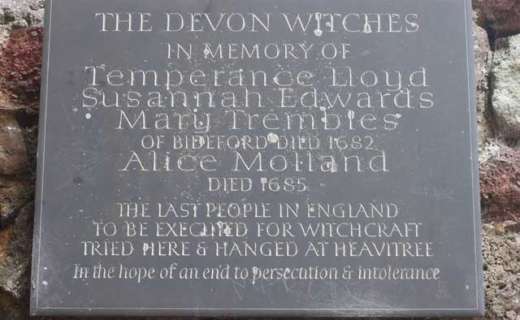
Rougement Castle’s place in history is scarred by its association with witchcraft trials and the last four witchcraft-related executions in the history of England.

Memorial plaque to the Devon Witches who were hanged at the castle: Temperance Lloyd, Susannah Edwards, Mary Trembles, Alice Molland. The last people in England to be executed for witchcraft
Visitors to Rougemont Castle today are rewarded by delightful views of Exeter as seen below.
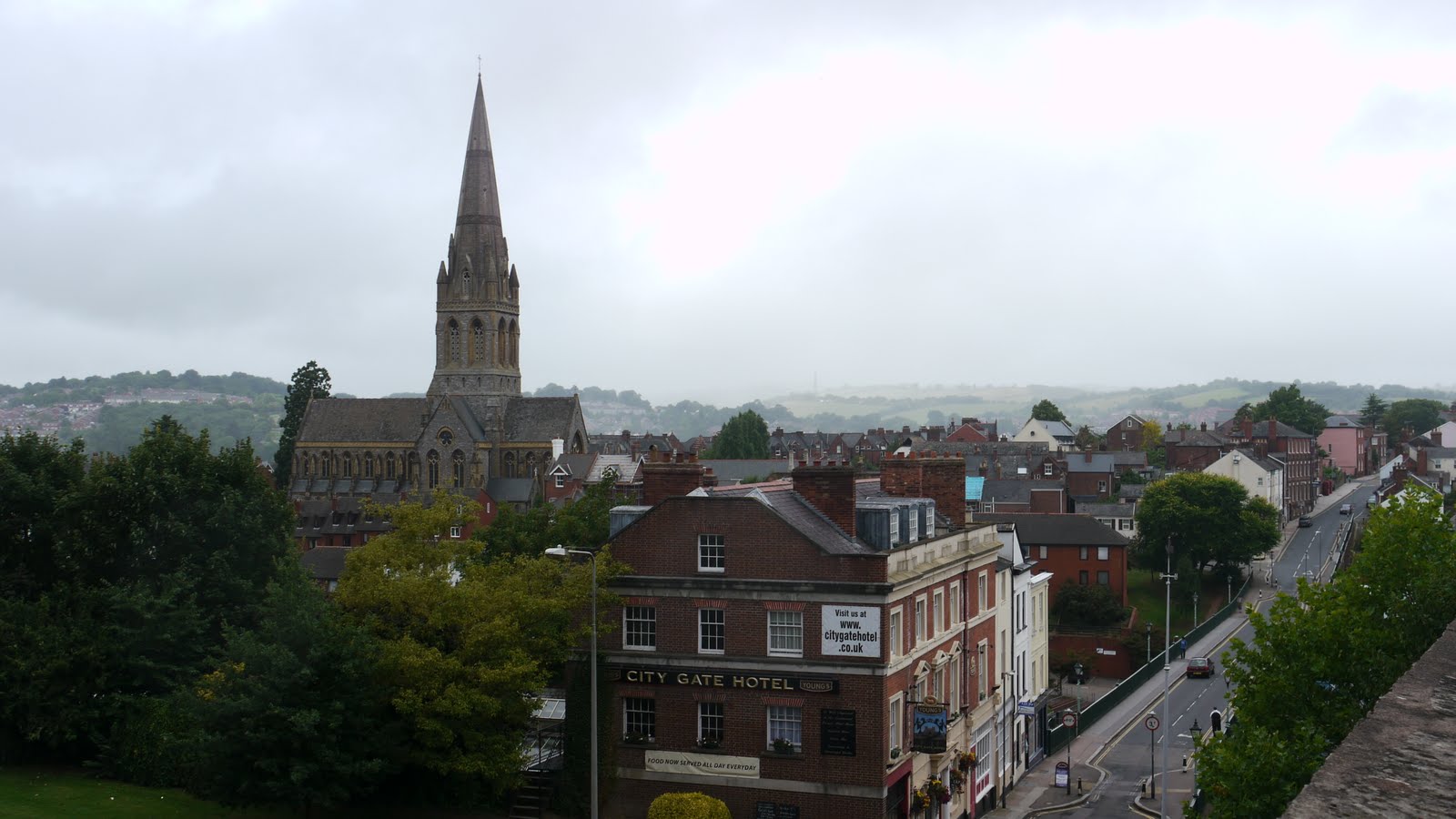
View of Exeter
Access – Getting There
The castle can be found on Castle Street in Exeter, and it is surrounded by the Rougemont Gardens and Northernhay Gardens.
Nearby
Another historical sight in Exeter is the Underground Passages. They date from the 14th century and were originally built to bring clean drinking water through lead pipes to the city from natural springs outside the walls.
Visitors can enjoy guided tours of these fascinating passages which are the only remaining examples of their kind in the country. The tours begin with interactive exhibits in the interpretation centre on Paris Street in Princesshay. (2 Paris Street, Exeter EX1 1GA; Tel: 01392 665887)
Exeter Library is also close by.

Exeter Library
June to September
Monday to Saturday: 9.30 am to 5.30 pm (last tour 4.30 pm)
Sunday: 10.30 am to 4.00 pm (last tour 3.00 pm)
October to May
Tuesday to Friday: 10.30 am to 4.30 pm (last tour 3.30 pm)
Saturday: 9.30 am to 5.30 pm (last tour 4.30 pm)
Sunday: 11.30 am to 4.00 pm (last tour 3.00 pm)
Exeter Central and St James’ Park stations are both around 15 minutes away on foot. From Exeter St David’s Station take a H1 or H2 bus to the High Street.
Map of Exeter & South West England
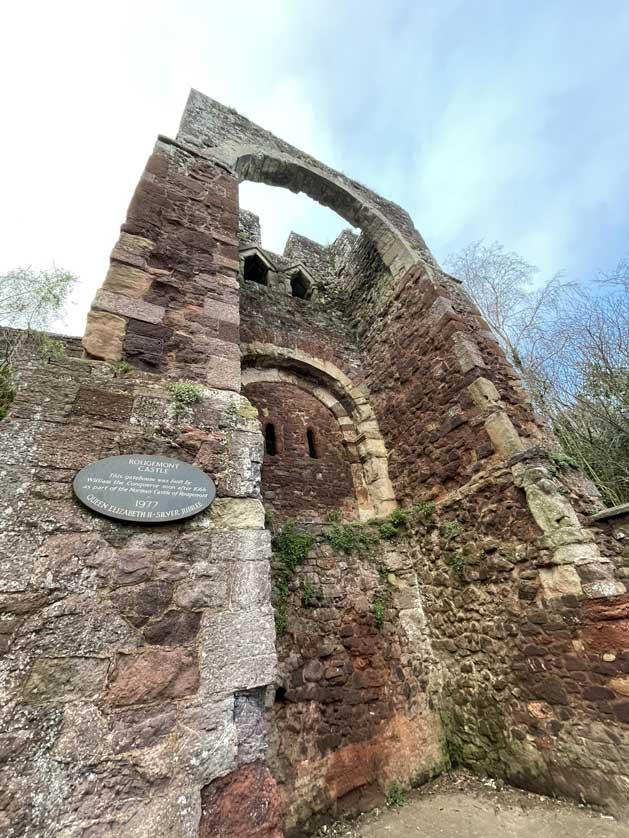
Norman gatehouse dating from 1066
Accommodation in Exeter
Exeter offers a range of accommodation options to suit all budgets and tastes. Choose from a range of hotels and guest houses in Exeter including the four-star Mercure Exeter Southgate Hotel, the four-star Southernhay House Hotel, and Jurys Inn Exeter, also a four-star hotel.
See here for a complete list of accommodation in Exeter.
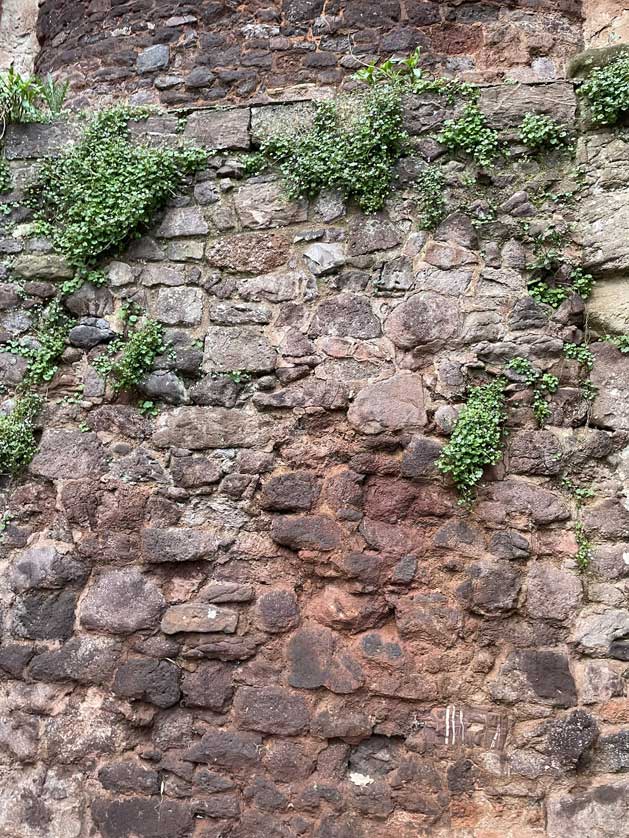
The distinctive walls of the castle

The gatehouse
Book a Hotel in London - from 5 stars to budget options
Windsor Castle, Bath and Stonehenge Tours with Stonehenge Tickets from London
Westminster Abbey Tickets & Tours
Tickets For London Attractions - Tiqets.com
© BritainAllOver.com – Guide to the Best of Britain