Caernarfon Castle, Wales Architecture | Palace | Access | Castles in Wales Caernarfon Castle in Wales (Castell Caernarfon) as seen today was begun in 1283 by the English King Edward
Great Orme Tramway, Llandudno, Wales Timetable | Nearby | Access | Hotels The Great Orme Tramway (Tramffordd y Gogarth) in Llandudno, North Wales first began operation in 1902 and is
Cardiff, South Wales Rising Dragon | Attractions | Access | Hotels in Cardiff Cardiff (Caerdydd), the Welsh capital, with a population of around 336,000 people, is the administrative, economic and
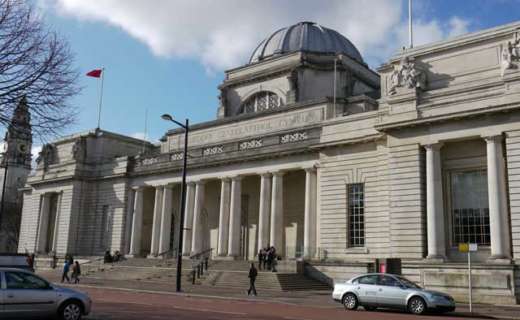
National Museum Cardiff Wales Origins: in Search of Early Wales | Jenkins Vase | Access | Museums in Cardiff The National Museum Cardiff (see below) officially opened in 1927. The
Cardiff City Hall, Cardiff, Wales Architecture | Access | Cardiff Hotels | Town Halls in Britain Cardiff City Hall (see below) in Cardiff, South Wales, was completed in 1904. Architecture
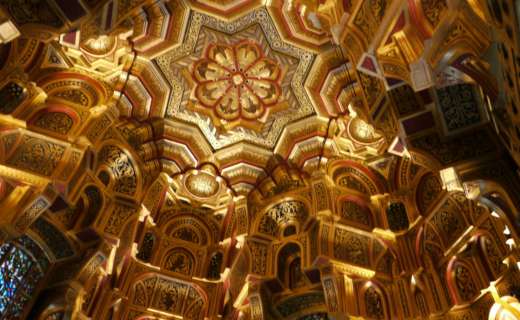
Castle Apartments at Cardiff Castle, Wales Attractions | Arab Room | Access | Museums in Cardiff From 1866 AD, the 3rd Marquess of Bute employed the architect William Burges to
Clock Tower at Cardiff Castle, Wales The Clock Tower at Cardiff Castle was designed by the architect William Burges (1827 – 1881) in 1866 AD. Burges was a great lover
Cardiff Castle, Cardiff, Wales History | Access | British Castles Map Cardiff Castle is one of Wales’ leading historical sites. Located in central Cardiff, the capital of Wales, the castle
Monmouth Castle, Monmouth, Wales History | Access | Castles in Wales Monmouth Castle (see below) probably started out in the 11th century AD as a wooden fortress surrounded by an
Monnow Bridge, Monmouth History | Access | Bridges in Britain Monnow Bridge was built around 1270 AD as part of the defences of the castle town of Monmouth. Monmouth was
Oakdale Workmen’s Institute, near Cardiff, South Wales History | Access | Wales The Oakdale Workmen’s Institute is a fine example of the workmen’s institutes which were the centres of community
Perrier The perrier like its cousin the trebuchet operated on the concept of counterpoint. The perrier, however, was powered by human muscle power rather than the heavy ballast used by