
Hidden Corners of Britain That Reward Curious Travelers
Many travellers arrive in Britain with a checklist shaped by postcards, films, and familiar recommendations. The region has become a popular destination for all kinds of tourists.
According to Statista, around 39 million foreign nationals arrived in the United Kingdom alone in 2024. This represents around 3% growth from 2023. London was the most visited location by tourists. The UK’s capital city alone drew around 20 million visitors to the country.
Most travellers stick to popular destinations like London, and they do have their appeal. However, they often reveal only a narrow slice of what the country has to offer. Away from packed regions and busy viewing points lies a quieter Britain, one defined by lived-in streets, unhurried landscapes, and places that exist outside the spotlight.
These hidden corners invite curiosity rather than crowds, rewarding visitors who value observation over speed. Exploring them often leads to a richer sense of place, where history is present but not staged, and daily routines continue without interruption. For those willing to step aside from the usual routes, Britain reveals itself through subtle details and local rhythms.
Quiet Places with Stories to Tell
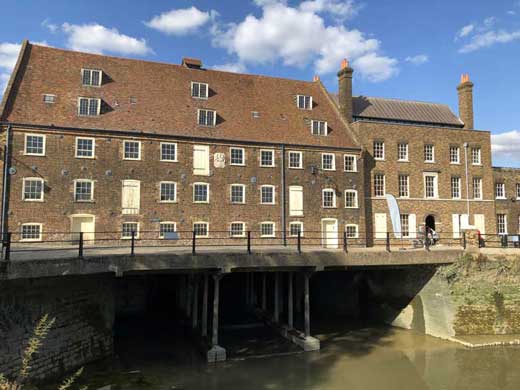
Across Britain, there are towns and neighbourhoods that rarely feature in travel brochures but leave a lasting impression. The Guardian highlights five overlooked towns in the UK, which are Wolverhampton, Harwich, Gateshead, Armagh, and Wokingham. Each of them has a unique local story worth discovering beyond typical tourist stops.
In Wolverhampton, industrial heritage sits alongside notable art collections and civic architecture, while Harwich’s maritime past is visible in its historic lighthouses. Gateshead is portrayed through residential rhythms and emerging grassroots arts, offering a contrasting view to its bigger neighbour, Newcastle.
Armagh blends deep religious history with Celtic roots and tranquil green spaces. And Wokingham shows how suburban comfort, long history, and everyday life create a compelling picture of modern Britain.
These places are defined by small moments rather than grand attractions. Spending time in such settings allows visitors to see how history and modern life sit side by side without spectacle.
Learning from Lives in Britain’s Quieter Places
Travel is long associated with lifelong learning and personal growth. Curious minds can learn a lot by spending time in Britain’s lesser-visited locations. These regions open a window into how people live when life is not shaped around visitors.
These observations can be as instructive as they are humbling, especially for those accustomed to fast-moving urban environments. For instance, data shows that in the UK’s 2024/25 financial year, pig butchering or romance fraud cost victims about £106 million. Fraudsters persuade victims to invest in fraudulent crypto investment schemes.
Such stories can prompt conversations and become a learning point for the wider community. They can teach others how to protect themselves from such fraud and how a pig butchering scam lawyer can help.
According to TorHoerman Law, an attorney can help collect evidence. They can also assess if it is possible to get the money back.
There are many such examples, like locals relying on community boards rather than digital updates. The same goes for learning how neighbours share resources, tools, or skills, or for watching how they maintain traditions. From how the people in these locations lead their lives to how they cope with challenges, everything can teach travellers something valuable.
Landscapes That Encourage Slower Exploration
Beyond towns, Britain’s lesser-known landscapes offer a sense of calm that is increasingly hard to find. Moorland footpaths, quiet stretches of coastline, and woodland trails often remain free of crowds, even during peak travel seasons.
Consider the example of the North York Moors in northeastern England. They are like a vast, timeless landscape of rolling hills, deep peat soils, and flowering heather that has been shaped over thousands of years. These moors even inspired the novels Wuthering Heights and Jane Eyre by the Brontë sisters.
Satellite imagery from Landsat 9 highlights the moorland’s varied colours and textures, with purple blossoms in late summer and glacially carved valleys visible from above. Designated a national park in 1952, this region contains one of England’s largest carbon‑rich moorland areas.
Walking these routes invites reflection and rewards patience, as wildlife sightings and subtle changes in scenery reveal themselves gradually. These areas suit travellers who value observation over schedules. Without the pressure to see everything at once, time feels more flexible, allowing for unplanned detours and longer stays in places that feel welcoming.
Connecting with Local Life
What often makes these hidden corners memorable is the chance to connect with local routines. A conversation in a village café, a recommendation for a nearby walk, or a shared comment about the weather can shape an entire visit. Such interactions feel more natural in places where tourism has not overtaken daily rhythms.
Spending time in these communities also reveals small but meaningful traditions that have persisted over generations. From seasonal fairs and local festivals to artisanal crafts and time-honoured recipes, these elements of everyday life give travellers insight into the values and history.
Engaging with residents in these moments allows visitors to see beyond the surface. They gain appreciation for the care and pride that go into maintaining cultural identity in quiet, often overlooked corners of Britain.
Frequently Asked Questions
When is the best time to visit Britain’s quieter towns and landscapes?
The ideal time varies depending on the experience you seek. Spring and early autumn offer mild weather, fewer tourists, and vibrant natural scenery, while winter provides a more introspective, quiet atmosphere with snow‑dusted landscapes. Visiting outside peak season also increases the chances of enjoying local spaces undisturbed, allowing more authentic interaction with communities.
How can travellers access these lesser-known places without a car?
Although many hidden corners are easier to reach by car, public transport options do exist, including regional trains, buses, and community shuttle services. Walking and cycling are often excellent ways to explore local areas once you arrive. Combining transport modes provides flexibility, while also giving travellers time to observe the surroundings at a more relaxed pace.
Are there accommodations in these off-the-beaten-path locations?
Yes, many smaller towns and rural areas offer charming guesthouses, B&Bs, and boutique hotels, often family-run and reflecting local character. Staying in these places allows travellers to experience authentic hospitality and daily routines. Booking in advance is recommended, especially during local festivals or holidays, as capacity can be limited in quieter regions.
Hidden corners of Britain offer something that busy destinations often cannot: space to observe, listen, and understand. For curious travellers, these places provide insight into everyday life, quiet beauty, and the realities that shape modern communities. Choosing to explore beyond the usual paths leads to experiences that feel personal and lasting, making the journey as rewarding as the destination itself.
© BritainAllOver.com – Guide to the Best of Britain