Mamucium & The Roman Gardens Manchester History | Mamucium | Access | Romans in Britain The Roman Fort in the Castlefield district of Manchester is the birthplace of the city
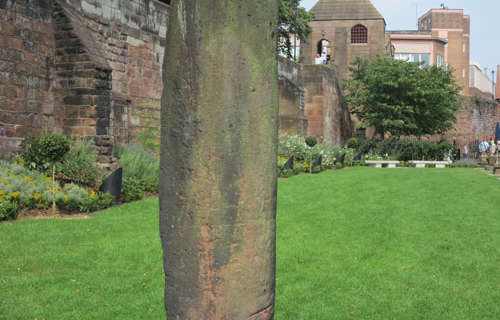
Roman Column at York Minster History | Access | Accommodation in York | Roman Britain History During archaeological excavations undertaken underneath York Minster‘s tower around the date of York‘s 1900th
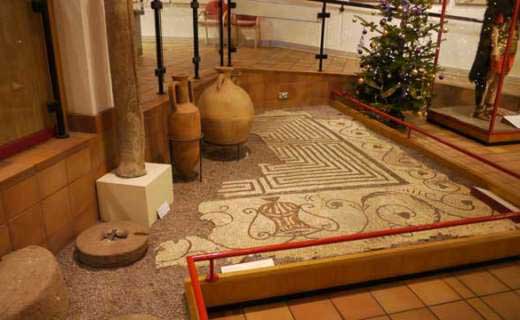
Jewry Wall Museum, Leicester Exhibits | Access The Jewry Wall Museum in Leicester in the English Midlands is dedicated to the ancient Roman settlement and the following development of the
The Roman Museum Canterbury, Canterbury, Kent History | Exhibits | Access | Roman Remains in Britain The Roman Museum in Canterbury, Kent is well worth visiting on a joint ticket with
Canterbury Heritage Museum, Canterbury, Kent The museum closed unfortunately in 2018 The Canterbury Heritage Museum (formerly the Museum of Canterbury) in Canterbury, Kent was dedicated to the long history of
Roman Gardens Chester What to See | Access | Roman Remains in Britain The Roman Gardens in Chester are close to the River Dee and are a collection of the
The Legions in Britain: York, Caerleon and Chester Exhibits | Access | Roman Remains in Britain There were three permanent military fortresses in Roman Britain each serving as a base
Deva Roman Experience, Chester Exhibits | Access | Roman Remains in Britain The Dewa Roman Experience (now styled the Deva Roman Experience) celebrates the city of Chester’s heritage as the
Roman Amphitheatre Chester History | Access | Roman Remains in Britain The Roman Amphitheatre in Chester is the largest in Britain and was used for both civilian entertainment and training
Gorgon’s Head Roman Baths Bath History | Access | Roman Britain Another highlight of the Roman Baths in Bath, along with the gilt bronze head of Sulis Minerva, is a
Sulis Minerva Bronze Head, Roman Baths, Bath History | Access | Roman Remains in Britain One of the highlights of the Roman Baths in Bath is the gilt bronze head
Ballista The ballista is a giant crossbow which was developed by the ancient Greeks. The ballista’s use continued into medieval times when it was found to be especially useful for